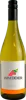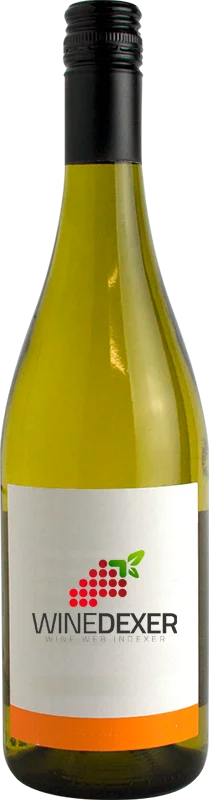
Bodegas Cerro La BarcaVegas Altas Orange
 White wine



This wine generally goes well with
The Vegas Altas Orange of the Bodegas Cerro La Barca is in the top 60 of wines of Estrémadure.

Wine flavors and olphactive analysis






On the nose the Vegas Altas Orange of Bodegas Cerro La Barca in the region of Estrémadure often reveals types of flavors of non oak, earth or microbio and sometimes also flavors of vegetal, oak or tree fruit.
Details and technical informations about Bodegas Cerro La Barca's Vegas Altas Orange.
Discover the grape variety: Dattier de Beyrouth
Table grape with long clusters and elongated golden berries (date-shaped, hence the name), thin skin and crunchy flesh, with a pleasant sweet flavour. Very rarely vinified. Grown in the eastern Mediterranean (Lebanon, Syria, Turkey, Greece), southern Europe and North Africa, prized for its attractive appearance and extended cold-storage life. Historic white table grape variety originating from the Levant (probably Lebanon).
Last vintages of this wine
The best vintages of Vegas Altas Orange from Bodegas Cerro La Barca are 2016, 2018, 0, 2019 and 2017.
Informations about the Bodegas Cerro La Barca
The Bodegas Cerro La Barca is one of of the world's greatest estates. It offers 22 wines for sale in the of Estrémadure to come and discover on site or to buy online.

The wine region of Estrémadure
Autonomous community of western Spain, the 2nd largest national vineyard (~87,000 ha) with excellent value for money. Tempranillo signature in red: round and accessible with signature notes of ripe cherry, plum, soft vanilla, leather and a spicy touch, supple tannins. Sun-drenched Garnacha, colourful Bobal, firm Cabernet complete the line-up. Vivid Cayetana and Pardina whites (citrus, flowers).
The word of the wine: Performance
Quantity of grapes harvested per hectare. In AOC, the average yield is limited on the proposal of the appellation syndicate, validated by the Inao. The use of high-performance plant material (especially clones) and better control of vine diseases have increased yields. This is not without consequences on the quality of the wines (dilution) and on the state of the market (too much wine). We must not over-simplify: low yields are not synonymous with quality, and it is often in years with generous harvests that we find the greatest vintages (1982 and 1986 in Bordeaux, 1996 in Champagne, 1990 and 2005 in Burgundy...).