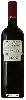
Winery Castillo de MonesmaCrianza Cabernet Sauvignon
 wine
wine
This wine generally goes well with
The Crianza Cabernet Sauvignon of the Winery Castillo de Monesma is in the top 0 of wines of Somontano.

Details and technical informations about Winery Castillo de Monesma's Crianza Cabernet Sauvignon.
Discover the grape variety: Vinhão
Intensely coloured and lively reds for drinking young, with a deep, near-black purple colour, firm tannins, a nervous palate, and signature aromas of black fruits (blackberry, blackcurrant), spices and fresh inky notes. Very acidic and highly coloured, sometimes slightly pétillant. Star of the Vinho Verde tinto DOC (Basto sub-region), signature aromatic variety of the red Minho green wines. Native Portuguese black variety, identical to Sousão and Galician Sousón.
Informations about the Winery Castillo de Monesma
The Winery Castillo de Monesma is one of of the world's greatest estates. It offers 11 wines for sale in the of Somontano to come and discover on site or to buy online.

The wine region of Somontano
Aragonese DO at the foot of the Pyrenees ("below the mountain"), 4,300 ha between 350-1,000 m. A cosmopolitan vineyard mixing native and international grapes. Dense reds with signature notes of blackberry, cherry, spices and a balsamic touch: spicy Tempranillo, firm Cabernet Sauvignon, round Merlot, sunny Garnacha, rare native Moristel and Parraleta. Fresh Macabeo, ample Chardonnay, opulent Gewürztraminer whites (lychee, rose).
The wine region of Aragon
Autonomous community of northeast Spain, historic kingdom of Iberian red Grenache (~75%). Signature Garnacha: generous and sun-drenched with signature ripe cherry, crushed strawberry, garrigue, kirsch, sweet spice and a balsamic touch, round tannins and a warm, alcoholic palate. 4 major DOs: Cariñena the largest (old vines), Calatayud high-altitude, Campo de Borja and Somontano at the Pyrenean foothills. Fresh Macabeo and Garnacha blanca whites.
The word of the wine: Overmaturation
When the grapes reach maturity, the skin becomes permeable and progressively loses water, which causes a concentration phenomenon inside the berry. This is called over-ripening or passerillage.