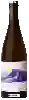
Winery Bon ReposCoteaux Du Layon Fût De Chêne
 wine
wine
This wine generally goes well with
The Coteaux Du Layon Fût De Chêne of the Winery Bon Repos is in the top 0 of wines of Côteaux du Layon.

Details and technical informations about Winery Bon Repos's Coteaux Du Layon Fût De Chêne.
Discover the grape variety: Aubin blanc
Simple, fresh, dry whites for early drinking with a pale golden hue, supple palate and moderate acidity, showing discreet aromas of citrus and white flowers typical of Lorraine. Light, thirst-quenching profile. Sensitive to powdery mildew, preserved by growers of the Côtes-de-Toul AOC in Lorraine. Native Lorraine white grape, a cross of Pinot noir × Gouais blanc, thus related to Chardonnay and Aligoté, grown in Rozérieulles, Bruley and Bulligny.
Informations about the Winery Bon Repos
The Winery Bon Repos is one of of the world's greatest estates. It offers 10 wines for sale in the of Côteaux du Layon to come and discover on site or to buy online.

The wine region of Côteaux du Layon
Loire cradle of Anjou's great sweet wines (left bank of the Layon): signature Chenin Blanc as exclusive white king — off-dry to botrytised sweet with notes of quince, apricot, candied pineapple, mango, honey, beeswax, dried fruits and a saffron touch, chiselled acidity balancing the sugar, exceptional ageing (20-50 years). "Sélection de Grains Nobles" mention at the summit. AOC (1950), ~1,400 ha across 27 villages, slaty schists, Layon mists favouring Botrytis cinerea.
The wine region of Loire Valley
Kingdom of lively, dry whites and fine sparklers. Mineral, taut Sauvignon Blanc (Sancerre, Pouilly-Fumé) with citrus and gunflint notes. Multiform Chenin Blanc (Vouvray, Savennières, Layon): straight dry, floral off-dry or noble sweet honey-quince. Saline, iodised Muscadet (Melon B.
The word of the wine: Plant
Smells present in certain wines and characteristic of the plant world. Heather, mint or blackcurrant leaf are considered pleasant, while herbaceous notes are considered a defect.