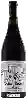
Winery Benoit CamusBen Rel
 wine
wine
This wine generally goes well with
The Ben Rel of the Winery Benoit Camus is in the top 0 of wines of Beaujolais.
Details and technical informations about Winery Benoit Camus's Ben Rel.
Discover the grape variety: Madeleine royale
Variety obtained in 1845 by the Moreau-Robert company by crossing the frankenthal noir with the pinot blanc. It has not been propagated for a long time, which means that it is now in danger of disappearing. It is, however, listed in the Official Catalogue of Table Grape Varieties, list A1. - Synonym: Madeleine impériale, plant du caporal (all the synonyms of the grape varieties, click here!).
Informations about the Winery Benoit Camus
The Winery Benoit Camus is one of of the world's greatest estates. It offers 10 wines for sale in the of Beaujolais to come and discover on site or to buy online.

The wine region of Beaujolais
Beaujolais is an important wine region in eastern France, famous for its vibrant, Fruity red wines made from Gamay. It is located immediately South of Burgundy, of which it is sometimes considered a Part, although it is in the administrative region of Rhône. The extensive plantings of Gamay in this region make Beaujolais one of the few regions in the world that is so concentrated on a single Grape variety. Pinot Noir is used in small quantities in red and rosé wines, but in the name of regional identity, it is being phased out and will only be allowed until the 2015 harvest.
The word of the wine: Deposit
Solid particles that can naturally coat the bottom of a bottle of wine. It is rather a guarantee that the wine has not been mistreated: in fact, to avoid the natural deposit, rather violent processes of filtration or cold passage (- 7 or - 8 °C) are used in order to precipitate the tartar (the small white crystals that some people confuse with crystallized sugar: just taste to dissuade you from it)