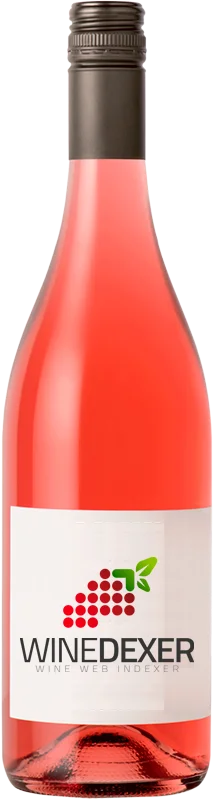
Winery Art Of The CooperRosé
 Pink wine



This wine generally goes well with

Details and technical informations about Winery Art Of The Cooper's Rosé.
Discover the grape variety: Touriga nacional
Deep, concentrated reds with a near-black robe, firm but polished tannins, showing aromas of blackberry, blackcurrant, violet, bergamot, liquorice, black pepper and characteristic floral notes. Pillar of great vintage Ports (Quinta do Noval, Taylor's) and signature of modern dry Douro DOC and Dão DOC. Also exported to Australia and California. Portugal's most noble variety.
Last vintages of this wine
The best vintages of Rosé from Winery Art Of The Cooper are 0
Informations about the Winery Art Of The Cooper
The Winery Art Of The Cooper is one of of the world's greatest estates. It offers 7 wines for sale in the of Central Coast to come and discover on site or to buy online.

The wine region of Central Coast
Vast Californian coast (450 km) cooled by Pacific fogs. Cradle of great coastal Pinots and Chardonnays: fine silky Pinot Noir (cherry, raspberry, undergrowth) on Sta. Rita Hills, Santa Maria and Santa Lucia Highlands; ample taut Chardonnay, yellow fruit and saline minerality. Also spicy peppery Syrah, structured Cabernet and jammy Zinfandel on Paso Robles.
The wine region of California
Powerful, sunny reds: dense Napa Cabernet Sauvignon (blackcurrant, chocolate, tobacco, ample tannins), spicy, jammy Zinfandel from the Sierra Foothills, silky red-fruited Pinot Noir on the cool coast (Sonoma, Russian River, Central Coast). Opulent, buttery Chardonnay, notes of yellow fruit and vanilla. Varied climate, from the hot interior to the Pacific-cooled coast. 80% of US production, 139 AVAs including Napa (1st AVA, 1981).
The word of the wine: Chartreuse
In the Bordeaux region, small castle from the 18th or early 19th century.


