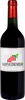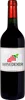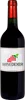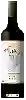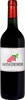
Winery Alma BaskaSantana Do Livramento Tannat Arinarnoa
 Red wine


This wine is a blend of 2 varietals which are the Arinarnoa and the Tannat.
This wine generally goes well with beef

Food and wine pairings with Santana Do Livramento Tannat Arinarnoa
Pairings that work perfectly with Santana Do Livramento Tannat Arinarnoa

Original food and wine pairings with Santana Do Livramento Tannat Arinarnoa
The Santana Do Livramento Tannat Arinarnoa of Winery Alma Baska matches generally quite well with dishes of beef such as recipes of authentic bolognese sauce (ragù di carne).
Details and technical informations about Winery Alma Baska's Santana Do Livramento Tannat Arinarnoa.
Discover the grape variety: Arinarnoa
Colourful, structured reds with a dark ruby hue, firm tannins and a dense palate, with aromas of black fruits (blackcurrant, blackberry), cherry, plum, spices, black pepper and balsamic notes reminiscent of cabernet sauvignon. Fine ageing potential. Grown in Languedoc-Roussillon and the South-West for IGP wines, also adopted in Argentina and Uruguay for modern reds. French hybrid created in 1956 in Bordeaux by INRA (tannat × cabernet sauvignon).
Last vintages of this wine

The best vintages of Santana Do Livramento Tannat Arinarnoa from Winery Alma Baska are 0, 2016
Informations about the Winery Alma Baska
The Winery Alma Baska is one of of the world's greatest estates. It offers 1 wines for sale in the of Rio Grande do Sul to come and discover on site or to buy online.

The wine region of Rio Grande do Sul
Brazil's winemaking heart (~80% of production), Italian tradition. Recognised specialty: traditional-method sparkling wines (espumantes), fresh and fruity, based on Chardonnay and Pinot Noir, among South America's finest. Accessible reds: supple, fruity Merlot (plum, cherry), fleshy Cabernet Sauvignon, dense, tannic Tannat. Round Chardonnay, light Riesling Italico, sweet, floral Moscato whites.
The word of the wine: Pruine
A thin, fluffy film that covers the surface of the grape. It makes the berry impermeable and contains the indigenous yeasts necessary for the fermentation of the must.