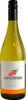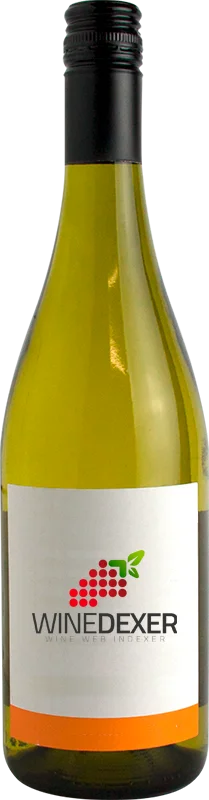
Winery Albert BesombesCuvée Marie-Louise Coteaux du Layon
 White wine



This wine generally goes well with

Details and technical informations about Winery Albert Besombes's Cuvée Marie-Louise Coteaux du Layon.
Discover the grape variety: Muscat d'Alexandrie
Intensely aromatic whites, from dry to sweet, with a golden to amber colour, an enveloping palate with moderate acidity, and explosive muscat aromas (rose, fresh grape), white flowers, exotic fruits (mango, pineapple) and honey in the sweet versions. Star of Moscatel de Setúbal (Portugal), Málaga (Spain), Passito di Pantelleria (Italy) and Maghreb muscats. Also a great table grape. Historic white variety of eastern Mediterranean origin.
Last vintages of this wine
The best vintages of Cuvée Marie-Louise Coteaux du Layon from Winery Albert Besombes are 2016, 2015, 2014, 2018
Informations about the Winery Albert Besombes
The Winery Albert Besombes is one of of the world's greatest estates. It offers 39 wines for sale in the of Côteaux du Layon to come and discover on site or to buy online.

The wine region of Côteaux du Layon
Loire cradle of Anjou's great sweet wines (left bank of the Layon): signature Chenin Blanc as exclusive white king — off-dry to botrytised sweet with notes of quince, apricot, candied pineapple, mango, honey, beeswax, dried fruits and a saffron touch, chiselled acidity balancing the sugar, exceptional ageing (20-50 years). "Sélection de Grains Nobles" mention at the summit. AOC (1950), ~1,400 ha across 27 villages, slaty schists, Layon mists favouring Botrytis cinerea.
The wine region of Loire Valley
Kingdom of lively, dry whites and fine sparklers. Mineral, taut Sauvignon Blanc (Sancerre, Pouilly-Fumé) with citrus and gunflint notes. Multiform Chenin Blanc (Vouvray, Savennières, Layon): straight dry, floral off-dry or noble sweet honey-quince. Saline, iodised Muscadet (Melon B.
The word of the wine: Flavours
There are generally four so-called fundamental flavours: acidity, bitterness, sweetness and saltiness. The first three are considered to be the building blocks of the structure of wines. They are perceived by the taste buds that cover the surface of the tongue.