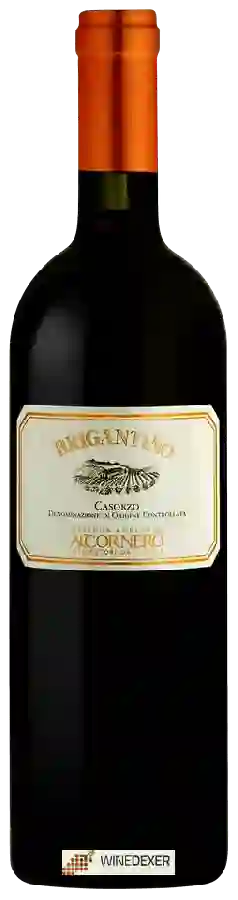
Winery Azienda Agricola AccorneroBrigantino Casorzo
 Sweet wine


This wine generally goes well with

Details and technical informations about Winery Azienda Agricola Accornero's Brigantino Casorzo.
Discover the grape variety: Zweigelt
Supple and fruity reds with a vivid ruby colour, soft tannins and snappy acidity, with aromas of sour cherry, raspberry, red plum and gentle spices. Made as easy-drinking young reds and as more structured, oak-aged cellar wines. The most planted red variety in Austria (Burgenland, Carnuntum, Neusiedlersee), created in 1922 by Friedrich Zweigelt in Klosterneuburg, a cross of saint laurent × blaufränkisch.
Last vintages of this wine

The best vintages of Brigantino Casorzo from Winery Azienda Agricola Accornero are 2013, 2017, 2016, 2015 and 0.
Informations about the Winery Azienda Agricola Accornero
The Winery Azienda Agricola Accornero is one of of the world's greatest estates. It offers 17 wines for sale in the of Malvasia di Casorzo d'Asti to come and discover on site or to buy online.

The wine region of Malvasia di Casorzo d'Asti
Piedmontese DOC in the Monferrato Astigiano around Casorzo. The native red-berry aromatic Malvasia di Casorzo (≥90%) is the flagship sweet red: ruby with rosy highlights, intensely perfumed with rose, white peach, strawberry, raspberry and a delicate musky note. Produced as gourmand frizzante, festive spumante and richer passito after drying on the vine. A celebration wine, sweet and aromatic, perfect with fruit desserts.
The wine region of Piedmont
Kingdom of Nebbiolo: Barolo and Barbaresco DOCG, long-ageing reds with firm tannins and lively acidity, complex aromas of withered rose, sour cherry, tar, truffle and undergrowth. More accessible, tangy Barbera on red fruit, supple, crisp Dolcetto. Sweet, floral sparkling Moscato d'Asti, mineral, lemony Gavi (Cortese) white, round, almondy Arneis from Roero. 50,000 ha across the Langhe, Roero and Monferrato, UNESCO.
The word of the wine: Rebêche (champagne)
Must obtained in excess of the 2 550 litres authorised for a weight of 4 000 kilos of grapes. The first 2 050 litres constitute the cuvée and the next 500 litres the taille. The rebêche represents 1 to 3 % of the total volume and must be distilled or used to make ratafia.