Wines made from Pinot gris grapes of Mexico
Discover the best wines made with Pinot gris as a single variety or as a blend of Mexico.
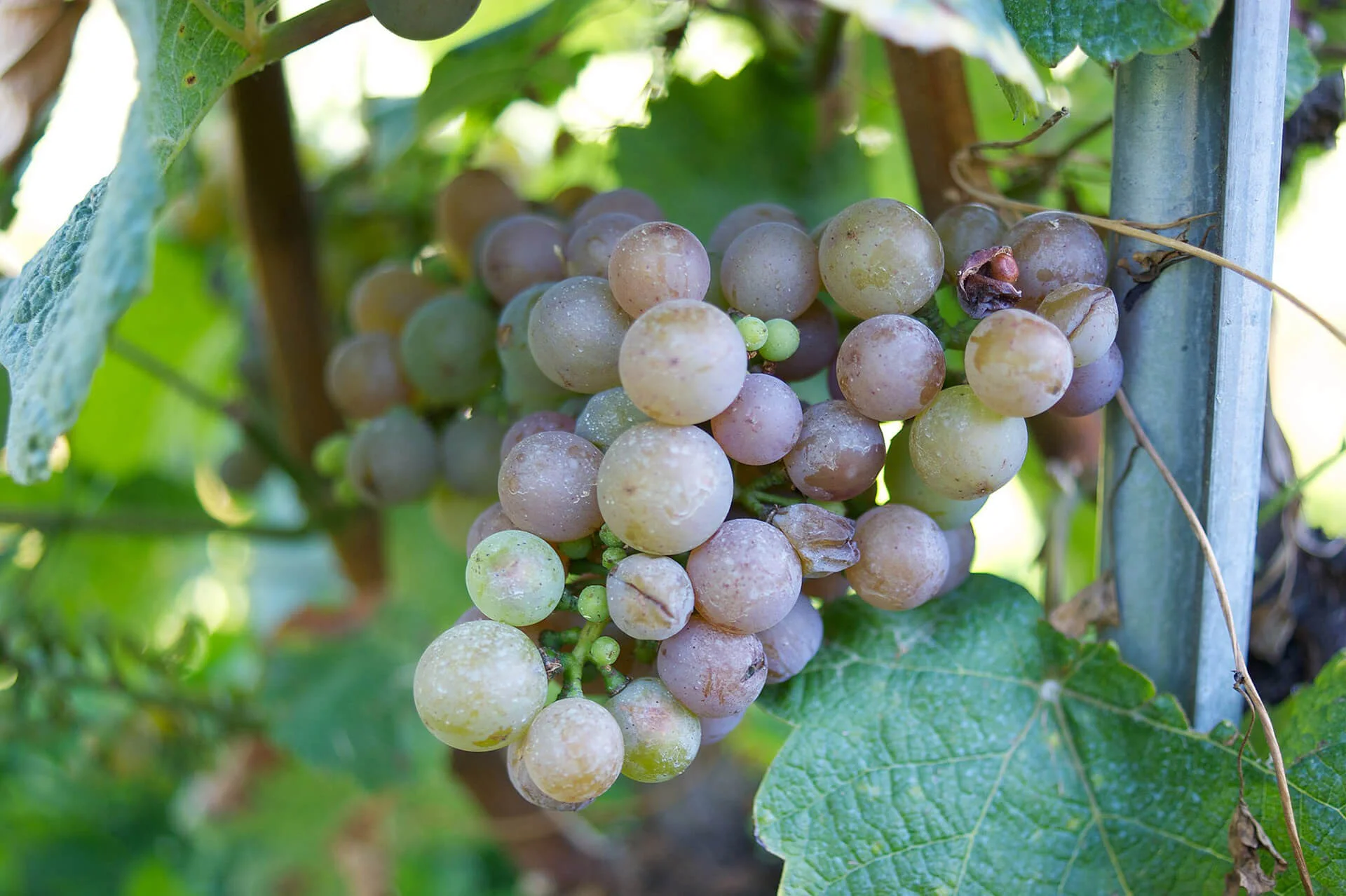
Discover the best wines made with Pinot gris as a single variety or as a blend of Mexico.
Rich, ample whites with a golden robe, showing aromas of pear, quince, honey, smoke, ginger and spice. Made as structured dry wines (Alsace AOC), off-dry and sumptuous late-harvest sweet (vendange tardive, sélection de grains nobles). Lighter and crisper in Italy as Pinot Grigio (Veneto, Friuli). Also in Germany (Grauburgunder), Hungary (Szürkebarát) and Oregon. A grey mutation of Pinot Noir.
The Vitis vinifera Vine and the concept of winemaking arrived in Mexico with the Spanish conquistadors in the 16th century. Before the colony's wine production could meet local demand, wine was imported from Spanish vineyards, which maintained a healthy Flow of ships and trade between Spain and Nueva Espana ("New Spain" as Mexico was called at the time). This trade was so important that the King of Spain, King Carlos II, banned commercial wine production to keep it going. Local wine production was only allowed for ceremonial purposes, but it was this legal exception that kept a tiny Mexican wine industry going until the early 19th century, when Mexico gained its independence from Spain.