Wines made from muscat grapes of Canada
Discover the best wines made with muscat as a single variety or as a blend of Canada.
Discover the best wines made with muscat as a single variety or as a blend of Canada.
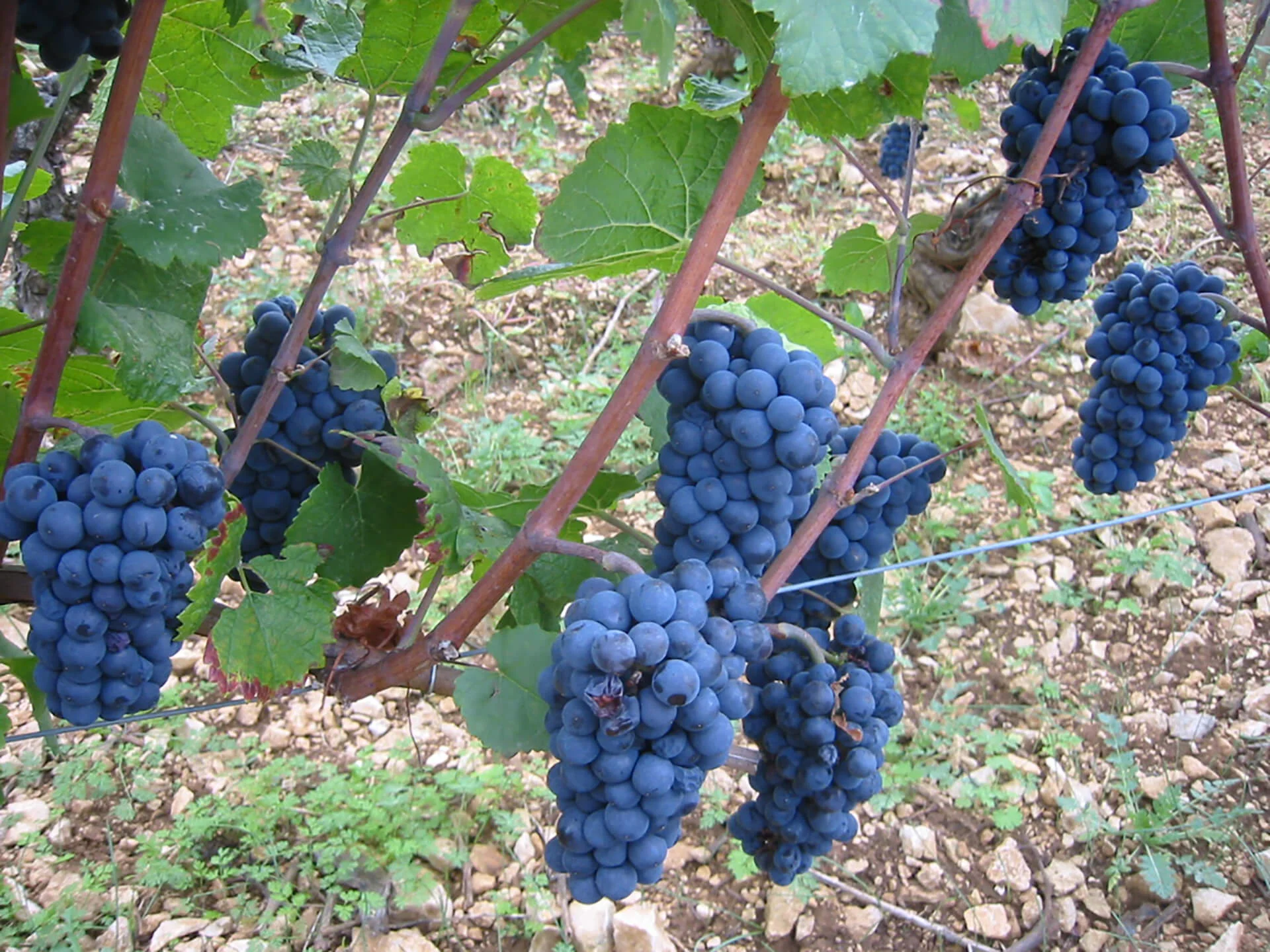
Aromatic whites (sometimes reds) ranging from off-dry to luscious, showing powerful signature aromas of muscat, rose, white flowers, fresh grape and exotic fruits. Vinified dry, sweet, liqueur, VDN and sparkling. A family of historic aromatic varieties among the oldest cultivated in the world, including Muscat Blanc à Petits Grains, Muscat d'Alexandrie, Muscat Ottonel and many others. Grown across the Mediterranean and worldwide.
Canada - the world's second-largest country by area - is far from the most obvious of wine-producing nations, yet its vineyards are capable of producing both quality and quantity. Powerful Cabernets and AromaticDryGrape/riesling">Rieslings play an important role in the country's wine portfolio, but the deliciously Sweet Icewine (mostly white, but also red) is unquestionably the quintessential Canadian wine style. Making the most of their consistently cold winter temperatures, Canadian wine producers have become world leaders in ice wine production. The Canadian wine industry is primarily based in four provinces: Ontario and British Columbia, which are responsible for 98% of quality wine production, and Quebec and Nova Scotia, which are emerging wine regions with a small but loyal local following.