Wines made from Müller-Thurgau grapes of India
Discover the best wines made with Müller-Thurgau as a single variety or as a blend of India.
Discover the best wines made with Müller-Thurgau as a single variety or as a blend of India.
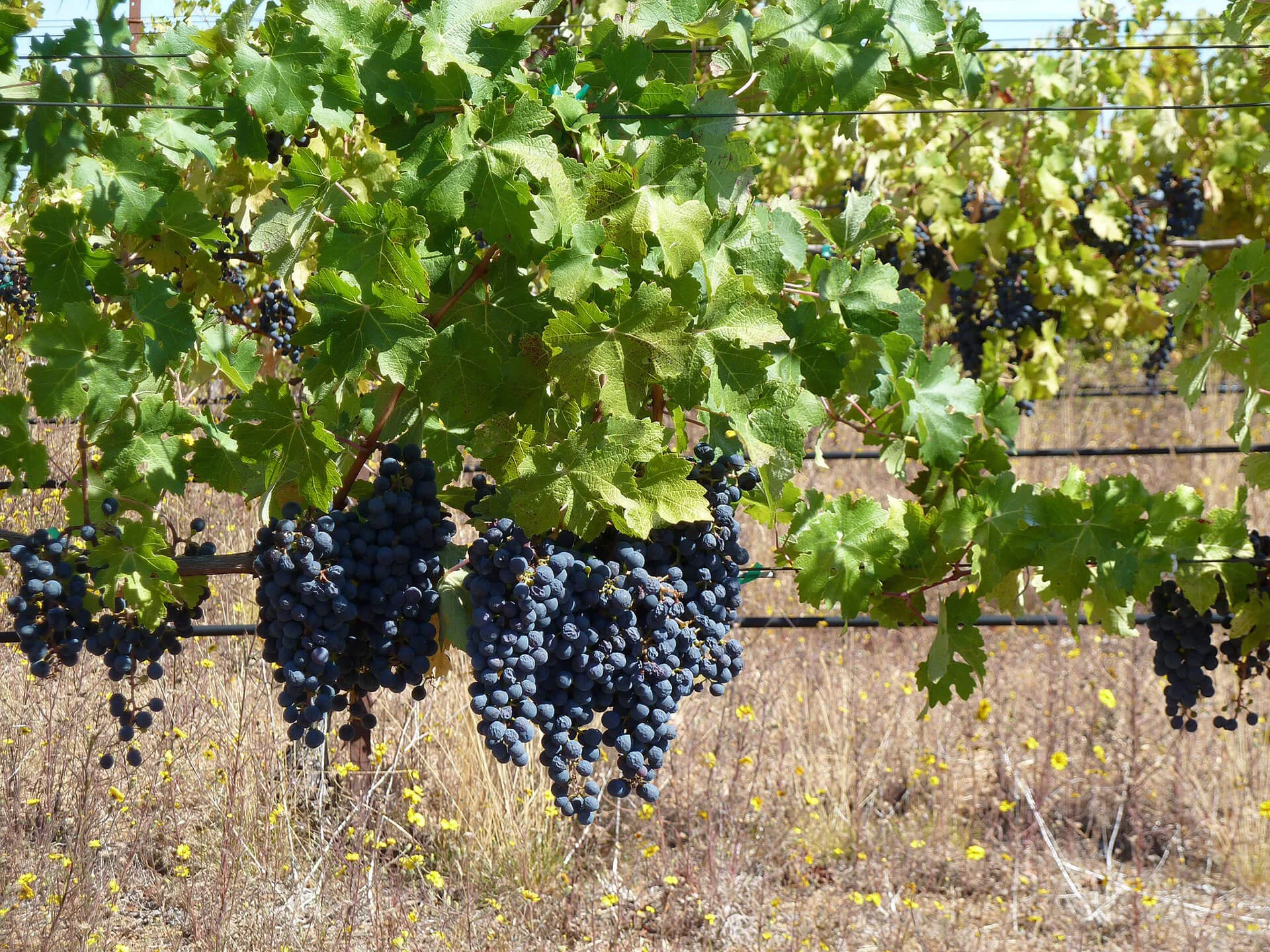
Light, aromatic whites with a tender palate and moderate acidity, with muscat-like aromas of white flowers, apple, citrus, peach and honeyed notes. Made as easy dry whites, popular semi-dry wines and some sparkling cuvées. Widely planted in Germany (Rheinhessen, Baden), northern Italy (Alto Adige, Trentino), Austria, Switzerland, Hungary and Japan. Cross of riesling × madeleine royale created in 1882 by Hermann Müller in Geisenheim.
India is an emerging wine economy, both in terms of production and consumption, and has the potential to become a major player on the global wine scene. This is because the country has consistently experienced the highest growth in consumption in the world, at around 20-30% per annum between 2002 and 2010. To meet this demand, a significant amount of wine is imported every year, but India also has a set of well-established and evolving domestic wineries. Historically, the introduction of grapes to the Indian subcontinent and the subsequent proliferation of viticulture came from Persia in 500 B.