Wines made from Carmenère grapes of Península de Setúbal
Discover the best wines made with Carmenère as a single variety or as a blend of Península de Setúbal.
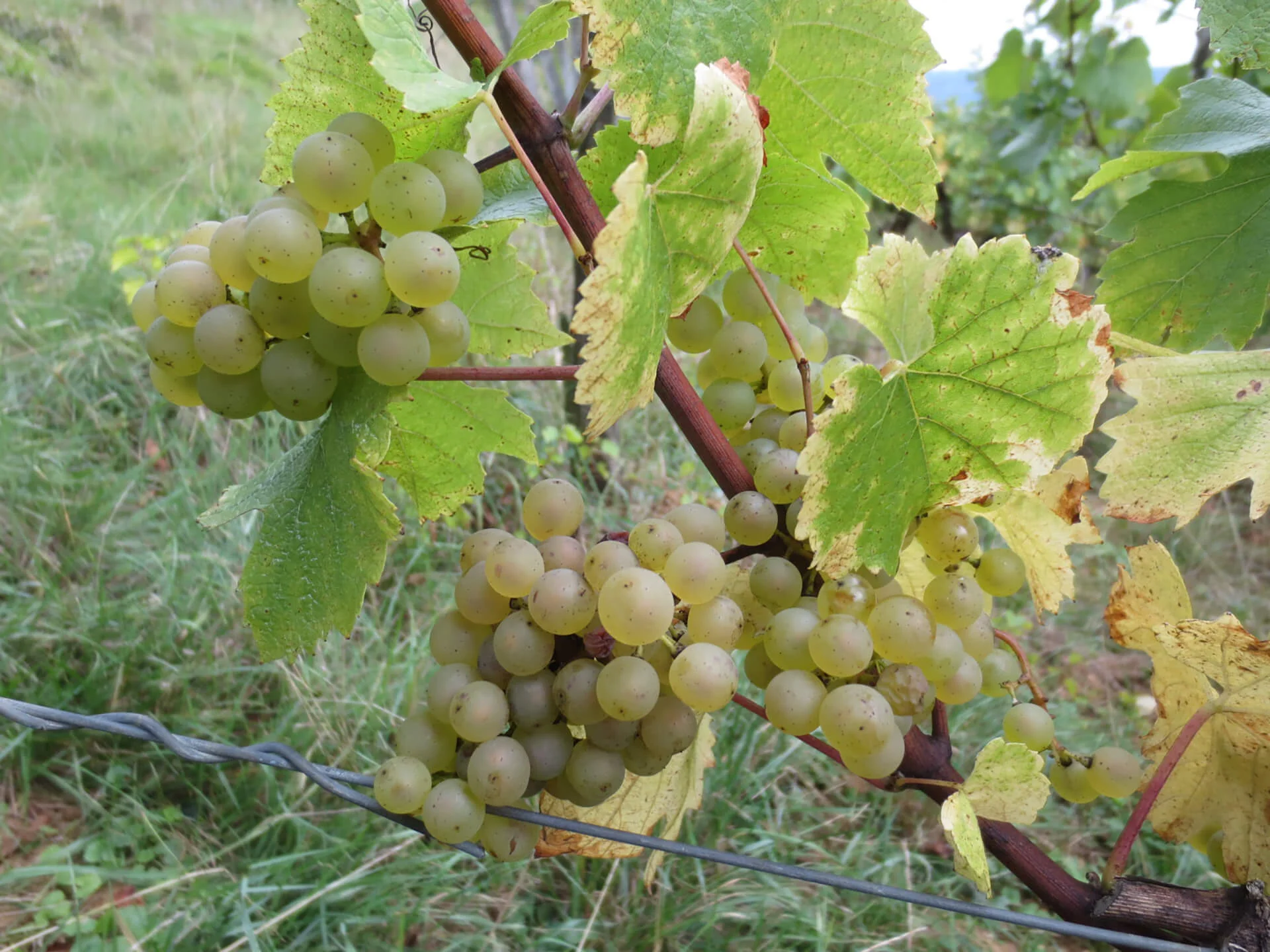
Discover the best wines made with Carmenère as a single variety or as a blend of Península de Setúbal.
Velvety, deep reds with a dark robe and round tannins, showing aromas of blackberry, plum, ripe red pepper, dark chocolate, coffee and gentle spice. Warm, supple finish. Absolute star of Chile (Colchagua, Cachapoal, Maipo) where it was rediscovered in 1994, long confused with Merlot. A historic Bordeaux variety that nearly vanished after phylloxera, a cross of Cabernet Franc × Gros Cabernet.
Portuguese peninsula south of Lisbon between the Tagus and Sado estuaries. World-renowned speciality: Moscatel de Setúbal, a golden fortified sweet wine with signature notes of candied orange, dried apricot, honey, fig, currant and sweet spices, long ageing — the rare Roxo version has more floral notes. Also fruity, supple Castelão reds (64%) (blackberry, plum), perfumed Touriga Nacional. Oceanic climate.