Wines made from Carmenère grapes of Côte de Beaune
Discover the best wines made with Carmenère as a single variety or as a blend of Côte de Beaune.
Discover the best wines made with Carmenère as a single variety or as a blend of Côte de Beaune.
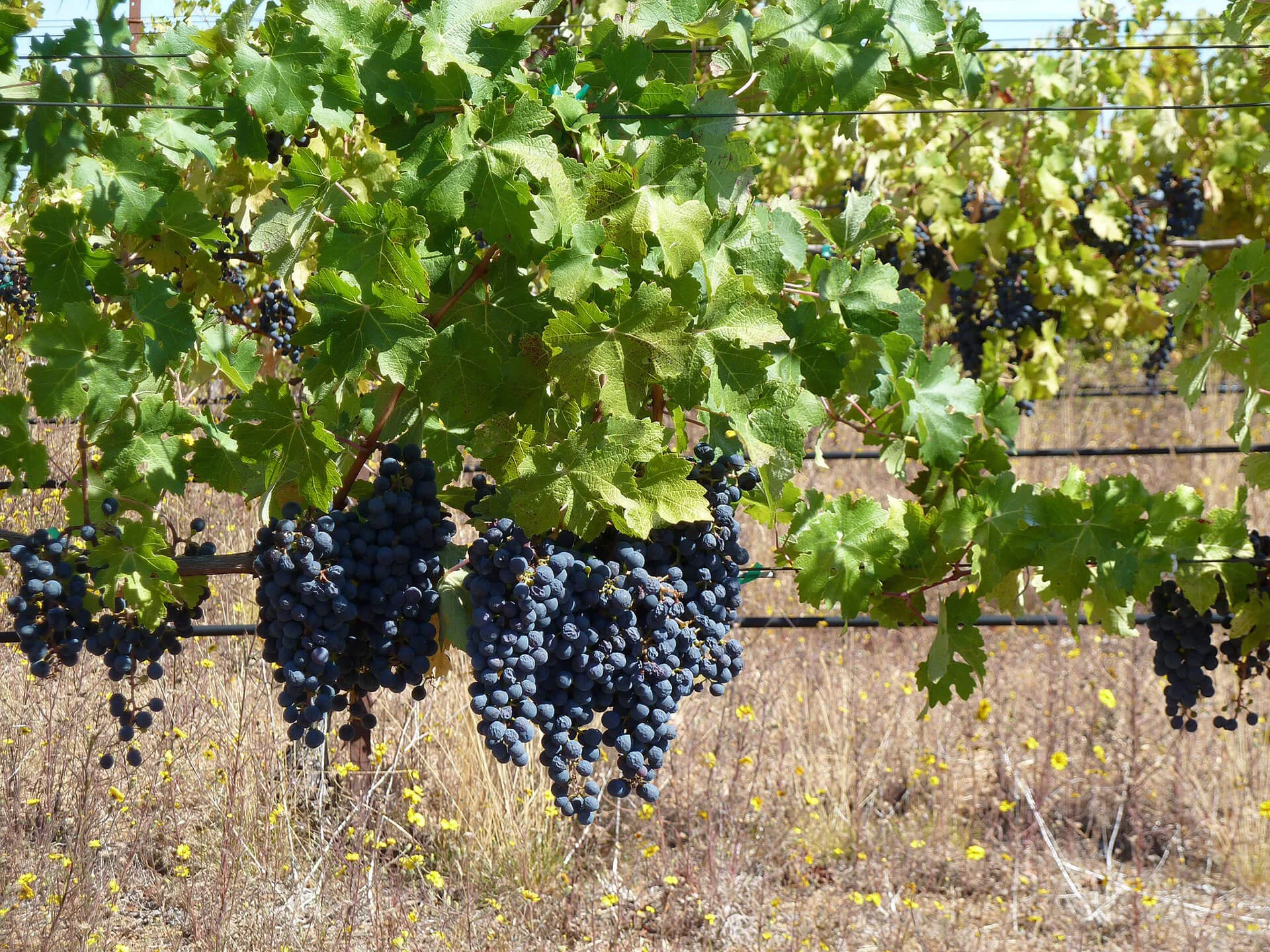
Velvety, deep reds with a dark robe and round tannins, showing aromas of blackberry, plum, ripe red pepper, dark chocolate, coffee and gentle spice. Warm, supple finish. Absolute star of Chile (Colchagua, Cachapoal, Maipo) where it was rediscovered in 1994, long confused with Merlot. A historic Bordeaux variety that nearly vanished after phylloxera, a cross of Cabernet Franc × Gros Cabernet.
Southern Burgundy, cradle of the world's greatest Chardonnays across ~30 km of slopes. Opulent, mineral whites with signature notes of butter, toasted hazelnut, honey, brioche, citrus and flint, taut on chiselled acidity — legendary Montrachet and Meursault. Fine, silky Pinot Noir reds (cherry, raspberry, undergrowth): structured Pommard, floral Volnay. Corton, only red Grand Cru.