Aléatico of Mexico — Profile, Food Pairings & Best Wines | Winedexer
Discover the best wines made with Aléatico as a single variety or as a blend of Mexico.
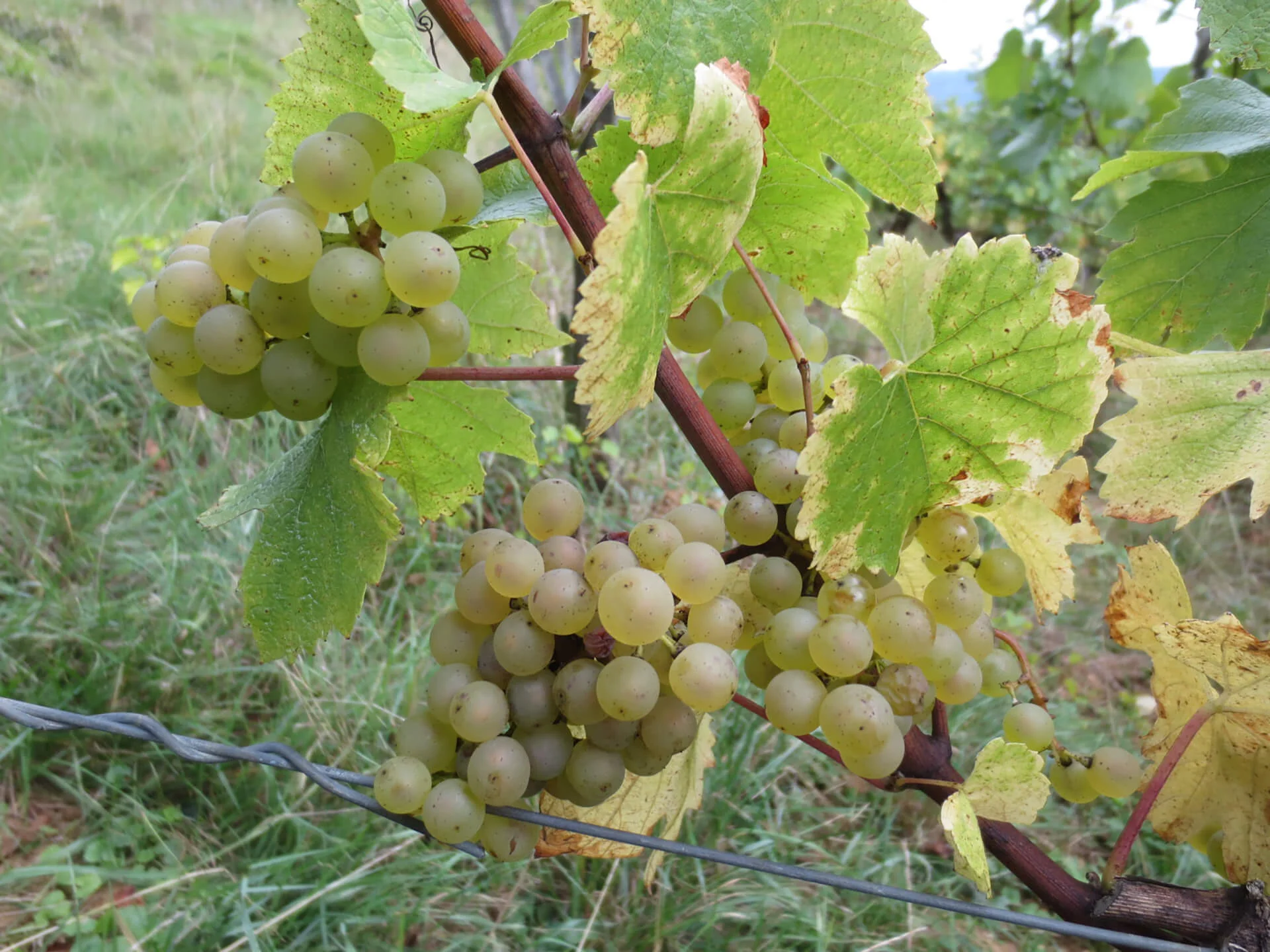
Discover the best wines made with Aléatico as a single variety or as a blend of Mexico.
Aromatic, sweet reds with a light ruby robe, fine tannins and a luscious palate. Intense, refined aromas of rose, wild strawberry, raspberry, candied cherry, delicate muscat and soft spices. Often vinified as passito, sweet or fortified by drying; rarely as dry reds. Star of Elba Aleatico Passito DOCG and Aleatico di Gradoli DOC in Lazio, also present in Puglia. Native Italian variety, related to Muscat Blanc à Petits Grains.
The Vitis vinifera Vine and the concept of winemaking arrived in Mexico with the Spanish conquistadors in the 16th century. Before the colony's wine production could meet local demand, wine was imported from Spanish vineyards, which maintained a healthy Flow of ships and trade between Spain and Nueva Espana ("New Spain" as Mexico was called at the time). This trade was so important that the King of Spain, King Carlos II, banned commercial wine production to keep it going. Local wine production was only allowed for ceremonial purposes, but it was this legal exception that kept a tiny Mexican wine industry going until the early 19th century, when Mexico gained its independence from Spain.


