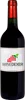
Winery Villa BrunaBarbera
 Red wine


In the mouth this red wine is a powerful with a nice freshness.
This wine generally goes well with pork, poultry or veal.

Taste structure of the Barbera from the Winery Villa Bruna
Light | Bold | |
Smooth | Tannic | |
Dry | Sweet | |
Soft | Acidic |
In the mouth the Barbera of Winery Villa Bruna in the region of Piedmont is a powerful with a nice freshness.
Food and wine pairings with Barbera
Pairings that work perfectly with Barbera



Original food and wine pairings with Barbera


The Barbera of Winery Villa Bruna matches generally quite well with dishes of pasta, veal or pork such as recipes of tagliatelle with seafood and saffron cream, sauté of pork with carrots and potatoes or stuffed pumpkin.
Details and technical informations about Winery Villa Bruna's Barbera.
Discover the grape variety: Doña Blanca
Fresh, aromatic dry whites with a pale golden colour, supple palate and lively acidity, showing signature aromas of citrus (lemon), white-fleshed fruits (apple, pear), white flowers and Atlantic mineral notes. Thirst-quenching Iberian north-west profile. Contributes to the white DO Valdeorras and Monterrei wines in Galicia, and to northern Portugal under the names síria or roupeiro. Native white variety of the Spanish region of Galicia.
Last vintages of this wine
The best vintages of Barbera from Winery Villa Bruna are 2015, 0
Informations about the Winery Villa Bruna
The Winery Villa Bruna is one of of the world's greatest estates. It offers 11 wines for sale in the of Piedmont to come and discover on site or to buy online.

The wine region of Piedmont
Kingdom of Nebbiolo: Barolo and Barbaresco DOCG, long-ageing reds with firm tannins and lively acidity, complex aromas of withered rose, sour cherry, tar, truffle and undergrowth. More accessible, tangy Barbera on red fruit, supple, crisp Dolcetto. Sweet, floral sparkling Moscato d'Asti, mineral, lemony Gavi (Cortese) white, round, almondy Arneis from Roero. 50,000 ha across the Langhe, Roero and Monferrato, UNESCO.
The word of the wine: Tartar (deposit)
White, chalky deposits that occur as a result of precipitation inside bottles and are often considered by consumers as a defect. They are in fact tartaric salts formed by tartaric acid, potassium and calcium naturally present in the wine. This deposit does not alter the quality of the wine and can be eliminated by a simple decanting.