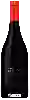
Winery Marques de VelillaCañal Edición Limitada
 wine
wine
This wine generally goes well with
The Cañal Edición Limitada of the Winery Marques de Velilla is in the top 0 of wines of Ribera del Duero.

Details and technical informations about Winery Marques de Velilla's Cañal Edición Limitada.
Discover the grape variety: Allison seedless
Table grape with long clusters of golden seedless berries, thin skin, crunchy flesh, and a neutral sweet taste. Early-ripening and productive. Rarely vinified; when it is, it yields simple, low-aromatic whites. Grown mainly in California, Australia, and Chile for export markets. An American white table grape variety obtained by crossing for fresh consumption.
Informations about the Winery Marques de Velilla
The Winery Marques de Velilla is one of of the world's great estates. It offers 27 wines for sale in the of Ribera del Duero to come and discover on site or to buy online.

The wine region of Ribera del Duero
Cradle of great modern Spanish reds: Tempranillo (95% of the vineyard, here Tinto Fino) powerful, deep and elegant with notes of black cherry, blackberry, candied plum, leather, cedar and spices, firm tannins and sustained acidity thanks to altitude (720-1100 m). Classification by age: Crianza, Reserva, Gran Reserva. Harsh continental climate, clay-limestone soils. DO since 1982, 19,000 ha in Castilla y León.
The wine region of Castille-et-Léon
Cradle of great Castilian reds on high-altitude plateaus (450-1000 m) of the Duero. Tempranillo king (Tinto Fino, Tinta de Toro): powerful, structured reds with notes of black cherry, blackberry, plum, leather and spices, firm tannins and length worthy of long ageing. Stars: Ribera del Duero (Vega Sicilia, Pingus), fleshy Toro, Bierzo (fresh mineral Mencía). Lively herbaceous Verdejo whites from Rueda, cut grass and citrus.
The word of the wine: Bleeding
Old practice for red wines. As soon as the vat is filled with grapes, the tap is opened. A sweet but clear juice escapes from the vat (it can also be used to make rosé). The colour and density of the juice is enhanced, but it should not be overdone. Rarely more than 10% of the volume of a vat, otherwise you risk losing fruit and bringing in bitterness.