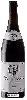
Winery Robert MichelLa Geynale Cornas
 wine
wine
This wine generally goes well with
The La Geynale Cornas of the Winery Robert Michel is in the top 0 of wines of Cornas.

Details and technical informations about Winery Robert Michel's La Geynale Cornas.
Discover the grape variety: Pelaverga
Light, elegant reds with a clear ruby colour, silky tannins and a silky palate, showing intense signature aromas of white pepper (hallmark), spices, red fruits (strawberry, raspberry) and floral notes. Distinctly airy and spiced profile. Absolute star of the Verduno Pelaverga DOC, signature of a confidential Langhe terroir and one of the most distinctive Piedmontese reds. Native Piedmontese black variety grown almost exclusively around Verduno.
Last vintages of this wine


The best vintages of La Geynale Cornas from Winery Robert Michel are 0
Informations about the Winery Robert Michel
The Winery Robert Michel is one of of the world's greatest estates. It offers 5 wines for sale in the of Cornas to come and discover on site or to buy online.

The wine region of Cornas
Smallest cru of the northern Rhône right bank (AOC 1938): signature Syrah exclusively as ruling red (100% mandatory) — deep black robe with intense aromas of black fruits (blackberry, blackcurrant), violet, spice, pepper and liquorice, rich and powerful texture, firm tannins evolving to a liquorice finish, decade-long ageing ≥15 years. East-southeast amphitheatre slopes on granite "gores" (sandy clays), Massif Central, optimal exposure.
The wine region of Rhone Valley
France's 2nd-largest AOC vineyard, two complementary worlds. Northern: pure Syrah in signature reds (Côte-Rôtie, Hermitage, Cornas), deep and peppery with blackberry, violet, black olive and smoked bacon notes, exceptional ageing. Opulent Viognier whites (Condrieu, apricot, flowers) and ample Marsanne-Roussanne. Southern: sun-soaked Grenache blends at Châteauneuf, Gigondas, Vacqueyras (candied fruit, garrigue).
The word of the wine: Presses
The juice that results from pressing the grapes after fermentation. At the end of the maceration, the vats are emptied, the first juice obtained is called the free-run wine and the marc remaining at the bottom of the vat is then pressed to give the press wine. We say more quickly "the presses". Their quality varies according to the vintage and the maceration. A too vigorous extraction releases the tannins of pips and the wine of press can then prove to be very astringent. Often the winemaker raises it separately, deciding later whether or not to incorporate it totally or partially into the grand vin.