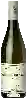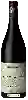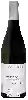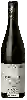
Winery Picard Père & FilsMercurey Vielles Vignes Roc Blanc
 wine
wine
This wine generally goes well with
The Mercurey Vielles Vignes Roc Blanc of the Winery Picard Père & Fils is in the top 0 of wines of Mercurey.

Details and technical informations about Winery Picard Père & Fils's Mercurey Vielles Vignes Roc Blanc.
Discover the grape variety: Souvignier gris
Aromatic, structured whites and rosés with a sometimes salmon-tinged robe, ample palate and fresh acidity, showing aromas of exotic fruits (mango, passion fruit), citrus, peach, white flowers and muscat-like notes. Disease-resistant interspecific variety (mildew, powdery mildew and botrytis), driving organic vineyards in northern Europe: Germany, Switzerland, Netherlands, Belgium and UK. German hybrid created in 1983 in Freiburg (cabernet sauvignon × bronner).
Informations about the Winery Picard Père & Fils
The Winery Picard Père & Fils is one of of the world's greatest estates. It offers 5 wines for sale in the of Mercurey to come and discover on site or to buy online.

The wine region of Mercurey
Red capital of the Côte chalonnaise: signature Pinot Noir as king red (~80%) - deep ruby with notes of cherry, raspberry, blackcurrant and violet, evolving to leather, undergrowth and spices with ageing, structured tannins and a fleshy finish, fine ageing aptitude. Chardonnay in ample whites (citrus, white flowers, almond, brioche). AOC (1936), ~640 ha over Mercurey and Saint-Martin-sous-Montaigu, limestone marls, 32 Premiers Crus (Clos du Roi, Clos l'Évêque).
The wine region of Burgundy
Absolute reference for great terroir wines: opulent, mineral Chardonnay in whites (chiselled Chablis, buttery Meursault, majestic Montrachet), fine and silky Pinot Noir in reds (full-bodied Gevrey, structured Pommard, delicate Volnay). Exceptional age-worthy wines with complex notes - red fruits, undergrowth, butter, hazelnut. Some lively Aligoté and light Gamay (Mâconnais). 29,500 ha, 84 tiered AOCs (Régionale, Village, 1er Cru, Grand Cru), 1,247 UNESCO Climats.
The word of the wine: Tartar (deposit)
White, chalky deposits that occur as a result of precipitation inside bottles and are often considered by consumers as a defect. They are in fact tartaric salts formed by tartaric acid, potassium and calcium naturally present in the wine. This deposit does not alter the quality of the wine and can be eliminated by a simple decanting.