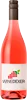
Winery Les Envies D'EveVagabonde Rosé
 wine
wine
This wine generally goes well with
The Vagabonde Rosé of the Winery Les Envies D'Eve is in the top 0 of wines of Côtes de Thongue.

Details and technical informations about Winery Les Envies D'Eve's Vagabonde Rosé.
Discover the grape variety: Counoise
Supple and fresh reds with a clear ruby colour, melted tannins and preserved acidity despite the sun, on aromas of strawberry, raspberry, red cherry, white pepper, garrigue and spiced notes. Airy and thirst-quenching palate. A traditional component of Châteauneuf-du-Pape AOC (one of the 13 authorised varieties), it brings freshness, finesse and aromatic complexity to southern blends of Côtes-du-Rhône and Languedoc. Native Rhône variety, very late-ripening.
Informations about the Winery Les Envies D'Eve
The Winery Les Envies D'Eve is one of of the world's greatest estates. It offers 4 wines for sale in the of Côtes de Thongue to come and discover on site or to buy online.

The wine region of Côtes de Thongue
Languedoc IGP from the Thongue basin (Hérault, 23 villages): Syrah, Grenache, Merlot, Cabernet, Carignan and Mourvèdre signatures in fruity reds with notes of cherry, blackberry, raspberry, liquorice, spices and a Mediterranean touch, supple tannins. Generous rosés and whites (Chardonnay, Sauvignon, Viognier, Vermentino, Muscat): fresh, floral and fruity. Very open IGP (119 authorised varieties). Varied soils (marl, clay, gravel), Mediterranean climate.
The wine region of Pays d'Oc
The single-grape IGP par excellence: modern, accessible, frank and fruity wines, the popular signature of the Midi. Spicy Syrah reds (pepper, blackberry), round Merlot, structured Cabernet, generous Grenache, supple Cinsault. Crisp, tangy rosés. Opulent Chardonnay whites, lively Sauvignon, floral, apricoty Viognier.
The word of the wine: Malolactic fermentation
Called second fermentation or malo for short. It is the degradation (under the effect of bacteria) of the malic acid naturally present in the wine into milder, less aggressive lactic acid. Some producers or wineries refuse this operation by "blocking the malo" (by cold and adding SO2) to keep a maximum of acidity which carries the aromas and accentuates the sensation of freshness.