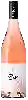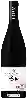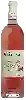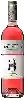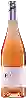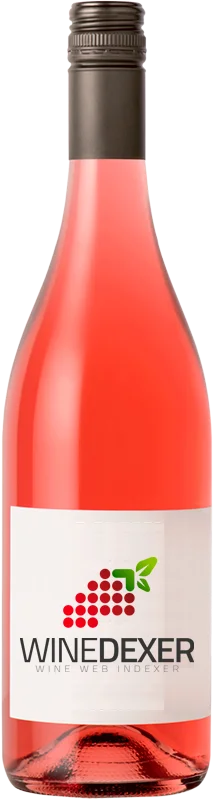
Winery Le Moulin de la BastideRosé
 Pink wine


This wine generally goes well with

Details and technical informations about Winery Le Moulin de la Bastide's Rosé.
Discover the grape variety: Arbanne
Dry, rich and lively whites and Champagne sparkling wines, pale golden, with a slender palate and very high acidity, showing delicate floral aromas, citrus (lemon), white-fleshed fruits and brioche notes when sparkling. Late and demanding. Preserved by a few Champagne growers under the CIVC, it is one of the traditional varieties authorised in Champagne for confidential cuvées. Synonym of Arbane, rare native white variety from the Aube.
Last vintages of this wine

The best vintages of Rosé from Winery Le Moulin de la Bastide are 2016, 2017, 2015, 0 and 2018.
Informations about the Winery Le Moulin de la Bastide
The Winery Le Moulin de la Bastide is one of of the world's greatest estates. It offers 1 wines for sale in the of Côtes de Gascogne to come and discover on site or to buy online.

The wine region of Côtes de Gascogne
Reference for accessible dry whites of the South-West: signature Colombard as white king — lively and aromatic with notes of lemon, grapefruit, mango, passion fruit, white flowers and a touch of green citrus, brisk acidity and moderate alcohol (9-11%) — a gourmet aperitif. Straight Ugni Blanc in the blend, more floral Sauvignon and rounder Gros Manseng as complements. A few honeyed sweet wines. Vast Gers IGP (Armagnac), oceanic climate, clay-limestone soils.
The wine region of Comté Tolosan
IGP covering all of southwest France across 12 departments, a broad and accessible palette. On the Garonne right bank, supple reds dominate: signature Merlot with signature notes of plum, ripe cherry, cocoa and a herbaceous touch, round tannins. Firm Cabernet, spicy Syrah, tannic local Tannat. Left bank for whites: vivid Colombard and Gros Manseng (citrus, grapefruit, exotic fruits), aromatic Sauvignon.
The word of the wine: Aroma
A pleasant smell that can be primary (or varietal, i.e. characteristic of the grape), secondary (resulting from fermentation) or tertiary (resulting from the aging of the wine in the bottle).