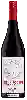
Winery LammershoekBarrique Pinotage
 wine
wine
This wine generally goes well with
The Barrique Pinotage of the Winery Lammershoek is in the top 0 of wines of Swartland.

Details and technical informations about Winery Lammershoek's Barrique Pinotage.
Discover the grape variety: Mollard
Light, fruity reds with a clear ruby color, supple tannins and an airy palate, offering delicate aromas of red fruits (raspberry, cherry, strawberry), alpine spices, mountain herbs and floral notes. A high-altitude airy profile. Very rare variety, preserved by a few artisan winemakers for its heritage value, in confidential altitude cuvées. Grown in IGP Hautes-Alpes around Embrun. French indigenous variety from the Hautes-Alpes, an alpine signature.
Informations about the Winery Lammershoek
The Winery Lammershoek is one of of the world's great estates. It offers 54 wines for sale in the of Swartland to come and discover on site or to buy online.

The wine region of Swartland
South African renaissance north of Cape Town: signature Chenin Blanc as king white (old bush vines) — full and mineral with notes of quince, honey, yellow fruits, toasted almond and a saline touch, noble texture and a refined finish. Signature Syrah as king red — spicy and fleshy with blackberry, raspberry, garrigue and pepper, fine tannins. Grenache and Cinsault complete it. Non-interventionist winemaking (whole bunch, old foudres).
The wine region of Western Cape
Cradle of South African wine. Signature Chenin Blanc (Steen, 20%) in ample, fresh whites with notes of quince, yellow apple, honey and acacia flower, from crisp dry to sweet. Sharp, iodised Sauvignon Blanc (Walker Bay, Constantia), balanced Chardonnay. Reds: emblematic Pinotage with roasted aromas (coffee, plum, smoke), firm Cabernet Sauvignon, spicy Syrah.
The word of the wine: Rootstock
American vine on which a French vine is grafted. This is the consequence of the phylloxera that destroyed the vineyard at the end of the 19th century: after much trial and error, it was discovered that the "pest" spared the roots of the American vines, and the technique became widespread.