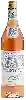
Winery Jean Louis LandreauDomaine de Guignefolle Pineau des Charentes Rosé
 Sweet wine
This wine generally goes well with

Details and technical informations about Winery Jean Louis Landreau's Domaine de Guignefolle Pineau des Charentes Rosé.
Discover the grape variety: Avana
Light, fruity reds with a clear ruby robe, smooth tannins and a supple, fresh palate, showing signature aromas of red fruits (strawberry, raspberry, cherry), flowers and delicate Alpine spices. An airy, drink-young profile. Almost extinct, preserved on a few heritage plots in the Pinerolese, west of Turin, in high-altitude Alpine vineyards. An indigenous Italian variety from Piedmont, a witness to the ancient varieties of the Piedmontese valleys.
Informations about the Winery Jean Louis Landreau
The Winery Jean Louis Landreau is one of wineries to follow in Pineau des Charentes.. It offers 3 wines for sale in the of Pineau des Charentes to come and discover on site or to buy online.

The wine region of Pineau des Charentes
AOC vin de liqueur of the Charentes (Cognac zone), made by mutage: fresh must + Cognac eau-de-vie, aged in cask min. 18 months. Charentais aperitif signature with notes of fresh grape, honey, candied fruits, citrus, soft vanilla and a hazelnut touch in white — deep gold robe, round velvety palate at 17% vol. Rosé version on Cabernet and Merlot brings strawberry and red fruits.
The wine region of Cognac
Charente vineyard dedicated to distillation for Cognac eau-de-vie (AOC 1936). Six signature ranked crus: Grande Champagne the most prestigious (elegance and length), fine Petite Champagne, round and floral Borderies, fruity Fins Bois, rustic Bons Bois, ordinary Bois. Spirits with grape, white flowers, dried fruits, vanilla, leather, spice and noble rancio notes — from young VS to long-aged XO. Ugni Blanc king (98%), Folle Blanche, Colombard.
The word of the wine: Malolactic fermentation
Called second fermentation or malo for short. It is the degradation (under the effect of bacteria) of the malic acid naturally present in the wine into milder, less aggressive lactic acid. Some producers or wineries refuse this operation by "blocking the malo" (by cold and adding SO2) to keep a maximum of acidity which carries the aromas and accentuates the sensation of freshness.