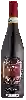
Winery Villa AuroraDolcetto D'Alba
 wine
wine
This wine generally goes well with
The Dolcetto D'Alba of the Winery Villa Aurora is in the top 0 of wines of Dolcetto d'Alba.

Details and technical informations about Winery Villa Aurora's Dolcetto D'Alba.
Discover the grape variety: Calabrese di Montenuovo
Light, simple reds with a clear ruby robe, smooth tannins and an airy palate with preserved acidity. Signature aromas of red fruits (cherry, raspberry), soft spices and fresh floral notes from Campania. Rustic, airy profile, nearly extinct. Conserved in heritage vineyards for its exceptional genetic and patrimonial value. Rare native Italian black grape from Campania, genetically identified as the mother of Sangiovese (father: Ciliegiolo).
Informations about the Winery Villa Aurora
The Winery Villa Aurora is one of of the world's greatest estates. It offers 6 wines for sale in the of Dolcetto d'Alba to come and discover on site or to buy online.

The wine region of Dolcetto d'Alba
Piedmontese DOC of the Langhe south of Alba, the everyday wine of Barolo and Barbaresco growers. Signature Dolcetto ("little sweet one"): purplish, fruity reds with signature notes of black cherry, blackberry, fresh plum, violet and bitter almond on the finish, present tannins but little acidity, a round and moreish palate — to drink young (1-3 years). A perfect match for cured meats, ragù pasta and Piedmontese cheeses. ~1,900 ha across 33+ communes.
The wine region of Piedmont
Kingdom of Nebbiolo: Barolo and Barbaresco DOCG, long-ageing reds with firm tannins and lively acidity, complex aromas of withered rose, sour cherry, tar, truffle and undergrowth. More accessible, tangy Barbera on red fruit, supple, crisp Dolcetto. Sweet, floral sparkling Moscato d'Asti, mineral, lemony Gavi (Cortese) white, round, almondy Arneis from Roero. 50,000 ha across the Langhe, Roero and Monferrato, UNESCO.
The word of the wine: Disgorging (champagne)
This is the evacuation of the deposit formed by the yeasts during the second fermentation in the bottle, by opening the bottle. The missing volume is completed with the liqueur de dosage - a mixture of wine and cane sugar - before the final cork is placed. For some years now, some producers have been replacing this sugar with rectified concentrated musts (concentrated grape juice) which give excellent results. A too recent dosage (less than three months) harms the gustatory harmony of the champagne.