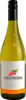
Winery H.P. SchmidtAuxerrois Malterdinger Bienenberg Trocken
 White wine
This wine generally goes well with

Details and technical informations about Winery H.P. Schmidt's Auxerrois Malterdinger Bienenberg Trocken.
Discover the grape variety: Auxerrois
Rich, round whites with tender mouth and moderate acidity, featuring aromas of ripe yellow fruits, white flowers, subtle honey, fresh almond and brioche notes. Often blended with Pinot Blanc in Alsace (cuvées labelled "Pinot Blanc" often contain a good proportion) and a pillar of Crémant d'Alsace. Also in French and Luxembourgish Moselle, Côtes-de-Toul and Baden. Lorraine grape, a Pinot Noir × Gouais Blanc cross, half-sibling of Chardonnay.
Informations about the Winery H.P. Schmidt
The Winery H.P. Schmidt is one of of the world's greatest estates. It offers 17 wines for sale in the of Nahe to come and discover on site or to buy online.

The wine region of Nahe
Homeland of a mineral Riesling of exceptional geological expression: lively, precise whites with notes of peach, citrus, green apple, gunflint and fine salinity, from taut dry to botrytised sweet. 75% whites, Riesling king (27%) complemented by round Pinot Gris and supple Pinot Blanc. Rising reds: silky Spätburgunder with red fruit, darker Dornfelder. 4,240 ha along the Nahe river, among the most diverse soils in Germany (180 formations).
The word of the wine: Fruity
A wine whose nose is first characterized by aromas reminiscent of the world of fruit. A wine to be drunk young is essentially fruity, but all wines offer this type of aroma in the first place, which can evolve over time, from the scent of fresh fruit to cooked, stewed, candied or brandied fruit.