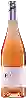
Winery HorgelusSainte Gabelle Rosé
 Pink wine


This wine generally goes well with

Details and technical informations about Winery Horgelus's Sainte Gabelle Rosé.
Discover the grape variety: Muscat de Frontignan
Aromatic fortified sweet natural wines with a golden to amber robe and an ample, perfumed palate. Powerful muscat signature aromas (rose, fresh grape), orange blossom, exotic fruits (lychee), candied fruits (apricot), honey and Mediterranean notes. Star of the Muscat de Frontignan AOC, one of the great iconic vins doux naturels of the Languedoc. Languedocian synonym for Muscat Blanc à Petits Grains grown at Frontignan.
Last vintages of this wine
The best vintages of Sainte Gabelle Rosé from Winery Horgelus are 0
Informations about the Winery Horgelus
The Winery Horgelus is one of of the world's great estates. It offers 19 wines for sale in the of Côtes de Gascogne to come and discover on site or to buy online.

The wine region of Côtes de Gascogne
Reference for accessible dry whites of the South-West: signature Colombard as white king — lively and aromatic with notes of lemon, grapefruit, mango, passion fruit, white flowers and a touch of green citrus, brisk acidity and moderate alcohol (9-11%) — a gourmet aperitif. Straight Ugni Blanc in the blend, more floral Sauvignon and rounder Gros Manseng as complements. A few honeyed sweet wines. Vast Gers IGP (Armagnac), oceanic climate, clay-limestone soils.
The wine region of Comté Tolosan
IGP covering all of southwest France across 12 departments, a broad and accessible palette. On the Garonne right bank, supple reds dominate: signature Merlot with signature notes of plum, ripe cherry, cocoa and a herbaceous touch, round tannins. Firm Cabernet, spicy Syrah, tannic local Tannat. Left bank for whites: vivid Colombard and Gros Manseng (citrus, grapefruit, exotic fruits), aromatic Sauvignon.
The word of the wine: Food and wine pairing
It is the set of techniques that allow for the pleasant combination of food and wine. Food and wine pairing is based on a few basic principles, such as similarity, complementarity or contrast, and involves all the elements that make up the wine and the food (flavours, textures, aromas, etc.).