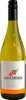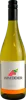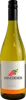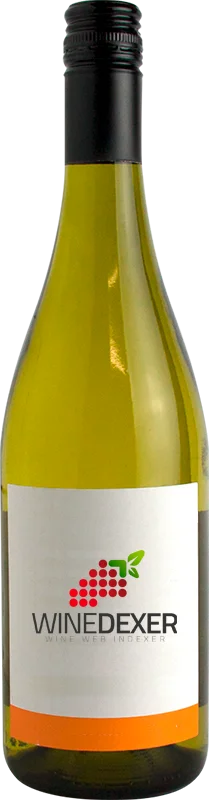
Winery Espilako XuriaBlanc
 White wine


This wine is a blend of 3 varietals which are the Gros Manseng, the Petit Courbu and the Petit Manseng.
This wine generally goes well with
The Blanc of the Winery Espilako Xuria is in the top 10 of wines of Irouléguy.

Details and technical informations about Winery Espilako Xuria's Blanc.
Discover the grape variety: Gros Manseng
Structured, aromatic whites with lively acidity and an ample mouth, featuring intense aromas of exotic fruits (pineapple, mango, passion fruit), ripe citrus, yellow peach, white flowers, honey and sweet spices. Made as nervy modern dry wines (Jurançon sec AOC, IGP Côtes de Gascogne) and sumptuous passerillage sweet wines (Jurançon AOC, Pacherenc du Vic-Bilh AOC). Late-ripening native grape of Béarn, the productive sibling of Petit Manseng.
Last vintages of this wine
The best vintages of Blanc from Winery Espilako Xuria are 0, 2019
Informations about the Winery Espilako Xuria
The Winery Espilako Xuria is one of of the world's greatest estates. It offers 1 wines for sale in the of Irouléguy to come and discover on site or to buy online.

The wine region of Irouléguy
Basque Country AOC (~250 ha, 15 communes, mountain vineyard, red sandstone and schist-limestone): Tannat signature as Pyrenean red king — structured and full-bodied with dark fruits, liquorice and spices, dense tannins softened by Cabernet Franc and Cabernet Sauvignon bringing finesse and suppleness, fleshy and long. Petit Manseng, Gros Manseng and Courbu in aromatic whites with exotic fruits. AOC 1970.
The wine region of South West
French mosaic of strong identities south of Bordeaux. Cahors and its Malbec ("black wine"): deep reds with notes of blackberry, plum, violet, tobacco and cocoa, firm tannins. Madiran and its dense, age-worthy Tannat. Jurançon whites: golden sweet (apricot, honey, pineapple) and lively dry from Petit Manseng.
The word of the wine: Maceration
Prolonged contact and exchange between the juice and the grape solids, especially the skin. Not to be confused with the time of fermentation, which follows maceration. The juice becomes loaded with colouring matter and tannins, and acquires aromas. For a rosé, the maceration is short so that the colour does not "rise" too much. For white wines too, a "pellicular maceration" can be practised, which allows the wine to acquire more fat.