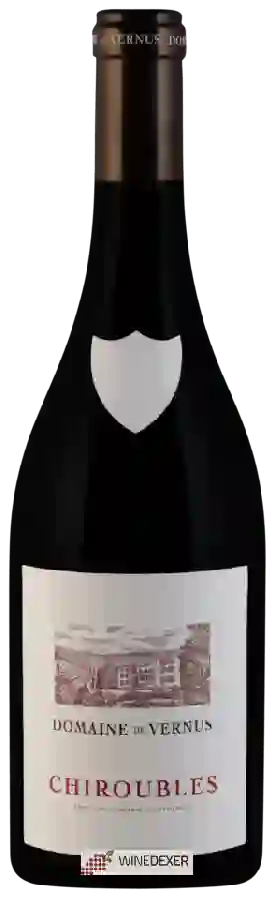
Domaine de VernusChiroubles
 wine
wine
This wine generally goes well with
The Chiroubles of the Domaine de Vernus is in the top 0 of wines of Chiroubles.

Details and technical informations about Domaine de Vernus's Chiroubles.
Discover the grape variety: Rebo
Supple, fruity reds with a deep ruby colour, soft tannins and a charming palate, showing signature aromas of red and black fruits (cherry, blackberry), plum, gentle spices and balsamic notes. Modern, airy profile to drink young or for short ageing. Grown mainly in Trentino and Veneto, used in northern Italian blends and as a single-variety wine. Italian black variety obtained in 1948 at San Michele all'Adige, a cross of Merlot × Marzemino.
Last vintages of this wine


The best vintages of Chiroubles from Domaine de Vernus are 2019, 0
Informations about the Domaine de Vernus
The Domaine de Vernus is one of of the world's greatest estates. It offers 4 wines for sale in the of Chiroubles to come and discover on site or to buy online.

The wine region of Chiroubles
Highest cru of Beaujolais (270-600 m), ~278 ha of Gamay on exclusively granitic soils. Fine and fragrant signature reds with hallmark notes of red cherry, wild strawberry, raspberry, peony, violet, rose petal and a hint of spice, silky tannins and thirst-quenching palate — nicknamed "the tenderest of crus", gourmand and friendly, drink young with charcuterie. Airy floral style. Altitude brings freshness and finesse.
The wine region of Beaujolais
Kingdom of Gamay (98% of the vineyard): fruity, accessible reds with signature notes of cherry, raspberry, banana (carbonic maceration), violet and sweet spices, supple tannins and juicy acidity. From festive Beaujolais Nouveau (3rd Thursday of November) to the 10 more structured, age-worthy Crus: deep earthy Morgon, sturdy Moulin-à-Vent, floral Fleurie, crunchy Brouilly. Some lively Chardonnay. 12,000 ha south of Burgundy, granitic soils.
The word of the wine: Harvesting and handling
In Champagne, a winegrower who makes his own vintages exclusively from grapes grown on his own property.