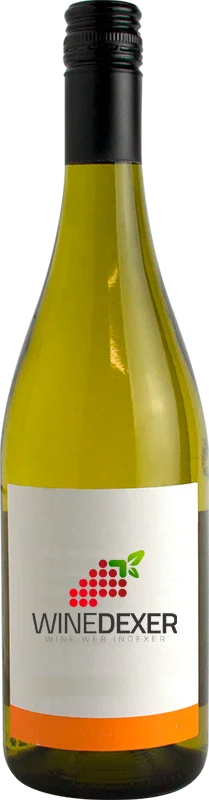
Château de PellehautFolle Blanche
 Sweet wine


This wine generally goes well with
The Folle Blanche of the Château de Pellehaut is in the top 5 of wines of Armagnac.

Details and technical informations about Château de Pellehaut's Folle Blanche.
Discover the grape variety: Folle blanche
Very lively, tense whites with a lean palate and cutting acidity. Delicate aromas of green apple, lemon, white flowers, pear and iodine saline notes. Light, refreshing finish, best drunk young. Historic pillar of Cognac AOC before phylloxera (known as Gros Plant) and Armagnac AOC (called Picpoul or Piquepoul there); star of Gros Plant du Pays Nantais AOC on Atlantic terroirs. Native French South-West variety, genetic parent of Colombard.
Last vintages of this wine

The best vintages of Folle Blanche from Château de Pellehaut are 2015
Informations about the Château de Pellehaut
The Château de Pellehaut is one of of the world's greatest estates. It offers 4 wines for sale in the of Armagnac to come and discover on site or to buy online.

The wine region of Armagnac
France's oldest AOC brandy (1936) from the Gers and Landes, three terroirs: sandy-clay Bas-Armagnac (67%), argilo-calcareous Ténarèze (32%) and Haut-Armagnac. Ugni Blanc, Folle Blanche, Baco and Colombard as signature varieties distilled in the traditional Armagnac alembic. Amber brandies aged in oak barrels with intense notes of prune, dried fruit, vanilla, sweet spices and a rancio-woody touch. Blanche, VS, VSOP, XO.
The word of the wine: Venaison (taste of)
Wine aromas reminiscent of game (fur, leather, hare's belly).