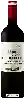
Château La ForêtGrange de Paumira Lalande-de-Pomerol
 wine
wine
This wine generally goes well with
The Grange de Paumira Lalande-de-Pomerol of the Château La Forêt is in the top 0 of wines of Lalande-de-Pomerol.

Details and technical informations about Château La Forêt's Grange de Paumira Lalande-de-Pomerol.
Discover the grape variety: Bogdanusa
Crisp, aromatic dry whites with a pale golden color, slender palate and preserved acidity, offering signature aromas of citrus (lemon, mandarin), white flowers (acacia), green apple, Mediterranean herbs and characteristic saline marine notes. A thirst-quenching profile ideal with seafood. Star of Dalmatian island whites, grown almost exclusively on Hvar and Brač on limestone soils. Croatian indigenous variety, whose name evokes divinity (Bog = God).
Informations about the Château La Forêt
The Château La Forêt is one of of the world's greatest estates. It offers 4 wines for sale in the of Lalande-de-Pomerol to come and discover on site or to buy online.

The wine region of Lalande-de-Pomerol
Northern neighbour of Pomerol (Bordeaux right bank) on the communes of Lalande and Neac: signature Merlot as king red (~75%) — fleshy and velvety with notes of black cherry, ripe plum, blackberry, red fruits, truffle, undergrowth and a hint of spice, round tannins and a generous finish in the Pomerol style at an accessible price. Fragrant Cabernet Franc (15-20%) and Cabernet Sauvignon as complements. AOC (1936), ~1,200 ha, clay-gravel and sandy-gravel soils, oceanic climate, ages 5-15 years.
The wine region of Bordeaux
World-renowned age-worthy reds, led by round Merlot (plum, black fruit) or firm Cabernet Sauvignon (blackcurrant, cedar, graphite), blended with Cabernet Franc and Petit Verdot for tannic structure. Structured Médoc and Graves, velvety Saint-Émilion and Pomerol. Also crisp dry whites (Sauvignon/Sémillon) and opulent sweet Sauternes with honey and candied fruit. A 110,000 ha Gironde vineyard, 65 appellations, cradle of the 1855 classified growths.
The word of the wine: Flowable
A supple, easy-drinking wine with little consistency in the mouth.