The Winery Champagne de Carlini Caron of Unknow region
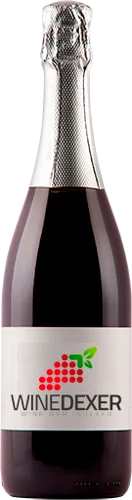
Winery Champagne de Carlini Caron
The winery offers 2 different wines
4.1


Note - 1Note - 1Note - 1Note - 1Note - 0
Its wines get an average rating of 4.1.
It is currently not ranked among the best domains of Unknow region.
It is located in Unknow region

The Winery Champagne de Carlini Caron is one of the best wineries to follow in Région inconnue.. It offers 2 wines for sale in of Unknow region to come and discover on site or to buy online.
Top Winery Champagne de Carlini Caron wines

Looking for the best Winery Champagne de Carlini Caron wines in Unknow region among all the wines in the region? Check out our tops of the best red, white or effervescent Winery Champagne de Carlini Caron wines. Also find some food and wine pairings that may be suitable with the wines from this area. Learn more about the region and the Winery Champagne de Carlini Caron wines with technical and enological descriptions.

The top sparkling wines of Winery Champagne de Carlini Caron

Food and wine pairings with a sparkling wine of Winery Champagne de Carlini Caron

How Winery Champagne de Carlini Caron wines pair with each other generally quite well with dishes of pork, rich fish (salmon, tuna etc) or shellfish such as recipes of melt-in-the-mouth pork tenderloin casserole, half-cooked bluefin tuna or natural breton lobster.

The grape varieties most used in the sparkling wines of Winery Champagne de Carlini Caron.

  • Pinot Noir

Discovering the wine region of Unknow region

This is not a known wine region.

Discover other wineries and winemakers neighboring the Winery Champagne de Carlini Caron

Planning a wine route in the of Unknow region? Here are the wineries to visit and the winemakers to meet during your trip in search of wines similar to Winery Champagne de Carlini Caron.

Discover the grape variety: Bourrisquou

A very old grape variety cultivated in the Ardèche, almost unknown in other French wine regions and even less so in other countries. Its origin seems to be Spanish, as are its presumed parents. It is said to be the result of a natural intra-specific crossing between the heben or white gibi and the mourvèdre. Today, it is practically no longer multiplied and is therefore in danger of extinction.