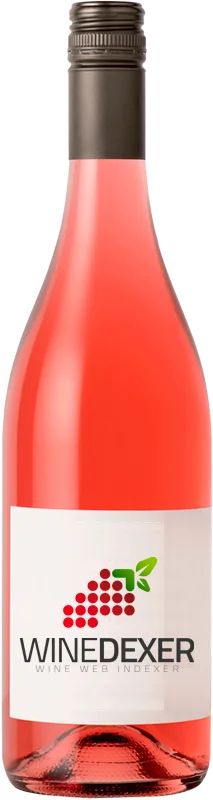
Winery Casal CordeiroRosé Seco
 Pink wine
This wine generally goes well with
The Rosé Seco of the Winery Casal Cordeiro is in the top 10 of wines of Trás-os-Montes.

Details and technical informations about Winery Casal Cordeiro's Rosé Seco.
Discover the grape variety: Arbane
Elegant, taut sparkling whites with a pale golden robe, a nervous palate and a razor-sharp acidity of refined citrus (lemon), green apple, white flowers (acacia), pear and chalky mineral notes. Fine ageing potential. A traditional minor component of Champagne AOC (one of 7 authorised grapes), preserved by growers attached to historic heritage. Rare native French grape of the Aube, a forgotten Champenois signature.
Informations about the Winery Casal Cordeiro
The Winery Casal Cordeiro is one of of the world's greatest estates. It offers 4 wines for sale in the of Trás-os-Montes to come and discover on site or to buy online.

The wine region of Trás-os-Montes
Northeastern Portuguese DOC "behind the mountains", northern extension of Upper Douro. Harsh continental climate, granite and schist altitude soils. Signature powerful and mineral reds: Touriga Nacional with notes of blackberry, violet, blackcurrant and resin, floral Touriga Franca, supple Tinta Roriz (Tempranillo), spicy Trincadeira, fine Bastardo, dense Marufo, firm tannins and deep palate. Taut Códega, Gouveio, Viosinho and Malvasia Fina whites (citrus, flowers, minerality).
The wine region of Transmontano
Regional Wine (IGP Trás-os-Montes) of north-east Portugal, "beyond the mountains" of Marão and Alvão, vineyards along the Tua, Sabor and Tâmega valleys, sheltered continental climate. Signature Touriga Nacional: intense and structured with blackberry, black cherry, violet, liquorice and balsamic hints, firm tannins and vibrant fruit. Elegant Touriga Franca, dense Tinta Roriz and spiced Trincadeira as complements. Gouveio, Síria, Malvasia Fina and Viosinho in whites.
The word of the wine: Sulphur
An antiseptic and antioxidant substance known since antiquity, probably already used by the Romans. But it was only in modern times that its use was rediscovered. It will allow a better conservation of the wine and thus favour its export. Sulphur also gave the 18th century winegrower the possibility of extending the maceration period without fearing that the wine would turn sour and thus go from dark rosé wines to the red wines of today. Excessive sulphur, on the other hand, kills happiness, paralysing the aromas and causing headaches.