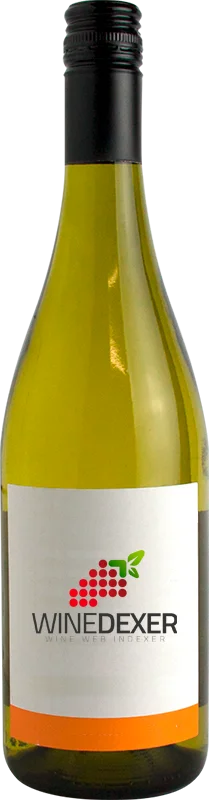
Winery Casa VerroneSauvignon Blanc
 White wine



This wine generally goes well with vegetarian, rich fish (salmon, tuna etc) or shellfish.
The Sauvignon Blanc of the Winery Casa Verrone is in the top 30 of wines of Sao Paulo.

Food and wine pairings with Sauvignon Blanc
Pairings that work perfectly with Sauvignon Blanc



Original food and wine pairings with Sauvignon Blanc
The Sauvignon Blanc of Winery Casa Verrone matches generally quite well with dishes of rich fish (salmon, tuna etc), shellfish or vegetarian such as recipes of tomato, zucchini and tuna flan, baeckeoffe with fish or quiche with bacon and gruyère cheese.
Details and technical informations about Winery Casa Verrone's Sauvignon Blanc.
Discover the grape variety: Dabouki
Structured, aromatic dry whites with a pale golden robe, ample palate and moderate acidity, with signature aromas of stone fruits (pear, peach, apricot), white flowers (acacia), citrus and sunny mineral notes. Mediterranean Levantine profile. Historic variety of Levantine terroirs, contributing to the modern viticulture of Israel and Lebanon in full qualitative revival. Indigenous white variety of the Mediterranean Levant (Palestine, Israel, Lebanon, Syria).
Last vintages of this wine
The best vintages of Sauvignon Blanc from Winery Casa Verrone are 2019, 2016, 2018, 2017 and 2015.
Informations about the Winery Casa Verrone
The Winery Casa Verrone is one of of the world's greatest estates. It offers 11 wines for sale in the of Sao Paulo to come and discover on site or to buy online.

The wine region of Sao Paulo
Wine state of south-east Brazil, with its heart at São Roque ("Terra do Vinho") founded by Italian and Portuguese immigrants in the 18th c. Traditional-method sparkling as stars: fresh, lively bubblies with notes of green apple, citrus, white flowers and brioche, a fine bubble. Supple reds blending Bonarda, Barbera and fleshy Tannat, round tannins. Perfumed Muscat sweet wines (orange blossom, honey).
The word of the wine: Yeast
Micro-organisms at the base of all fermentative processes. A wide variety of yeasts live and thrive naturally in the vineyard, provided that treatments do not destroy them. Unfortunately, their replacement by laboratory-selected yeasts is often the order of the day and contributes to the standardization of the wine. Yeasts are indeed involved in the development of certain aromas.