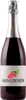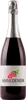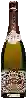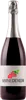
Winery Aurélien DauvergnePrestige Champagne Grand Cru 'Bouzy'
 wine
wine
This wine generally goes well with
The Prestige Champagne Grand Cru 'Bouzy' of the Winery Aurélien Dauvergne is in the top 0 of wines of Champagne Grand Cru 'Bouzy'.

Details and technical informations about Winery Aurélien Dauvergne's Prestige Champagne Grand Cru 'Bouzy'.
Discover the grape variety: Macabeo
Structured, aromatic dry whites with an ample palate and moderate acidity, showing aromas of citrus (lemon, grapefruit), white flowers (acacia), pear, green apple, light honey and fresh almond notes. Fine ageing potential. Essential component of Cava DO sparkling (with xarel·lo and parellada), pillar of Rioja DOCa whites (as viura) and Roussillon AOC whites. Autochthonous Aragonese variety, aromatic signature of the great Iberian whites.
Informations about the Winery Aurélien Dauvergne
The Winery Aurélien Dauvergne is one of of the world's greatest estates. It offers 2 wines for sale in the of Champagne Grand Cru 'Bouzy' to come and discover on site or to buy online.

The wine region of Champagne Grand Cru 'Bouzy'
Grand Cru village at the heart of the Grande Montagne de Reims (373 ha, 87% Pinot Noir): signature Pinot Noir as Champagne's ruling red — ample, generous and opulent with intense red fruits (ripe cherry, raspberry), spice and exceptional depth, powerful structure and finesse, round vinosity, great age-worthy. Full south slope, Cretaceous chalks giving structure and finesse. Bouzy Rouge flagship in Coteaux Champenois.
The wine region of Champagne
World benchmark sparkling wines: fine bubbles, citrusy tension, notes of brioche, toasted almond, white flowers and white-fleshed fruits after ageing on lees. Three grapes blended or solo: fleshy Pinot Noir (38%), fruity Meunier (33%), chiselled Chardonnay (28%). From straight Blanc de Blancs to vinous Blanc de Noirs, from non-vintage Brut to age-worthy Millésimé. AOC since 1927, 34,300 ha on chalk, 17 Grands Crus and 44 Premiers Crus.
The word of the wine: Vinification of sweet wines
Moelleux and liquoreux wines are characterized by the presence of residual sugars (natural sugar of the grape), not transformed into alcohol under the effect of yeasts. The fermentation is stopped by cold and by the addition of sulphur dioxide (sulphur).