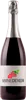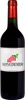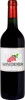
Winery Vincent LamoureuxCoteaux Champenois
 wine
wine
This wine generally goes well with
The Coteaux Champenois of the Winery Vincent Lamoureux is in the top 0 of wines of Coteaux Champenois.

Details and technical informations about Winery Vincent Lamoureux's Coteaux Champenois.
Discover the grape variety: Sauvignonasse
Dry, structured, aromatic whites with a pale golden hue, a broad palate and preserved acidity, featuring fresh almond, pear, apple, citrus, white flowers, cut herbs and mineral notes. Fine ageing potential. Star of Friuli Colli Orientali DOC and Collio DOC as Friulano (emblem of Friuli). Also grown in Chile (Sauvignon Vert) and Slovenia. Native south-west variety, long confused with sauvignon blanc.
Informations about the Winery Vincent Lamoureux
The Winery Vincent Lamoureux is one of of the world's great estates. It offers 12 wines for sale in the of Coteaux Champenois to come and discover on site or to buy online.

The wine region of Coteaux Champenois
Champagne AOC for still wines produced in the Champagne area, from the same grape varieties. Fine and taut flagship reds with signature notes of red cherry, wild strawberry, raspberry, flowers and chalky mineral touch, light tannins and lively palate — Pinot Noir signature at Bouzy and Ambonnay as reference (Bouzy red). Whites: taut Chardonnay (citrus, white flowers, chalk). Cool marginal climate for red.
The wine region of Champagne
World benchmark sparkling wines: fine bubbles, citrusy tension, notes of brioche, toasted almond, white flowers and white-fleshed fruits after ageing on lees. Three grapes blended or solo: fleshy Pinot Noir (38%), fruity Meunier (33%), chiselled Chardonnay (28%). From straight Blanc de Blancs to vinous Blanc de Noirs, from non-vintage Brut to age-worthy Millésimé. AOC since 1927, 34,300 ha on chalk, 17 Grands Crus and 44 Premiers Crus.
The word of the wine: Terroir
Strictly speaking, the notion of terroir corresponds to the geological characteristics of a vineyard. However, when we talk about terroir, we take into account the soil, the climate (even the microclimate), the flora, the fauna, and the human factor that characterizes the practices that make up the art of the craft.