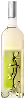
Domaine Passion d'une FemmePerline Rosé
 wine
wine
This wine generally goes well with
The Perline Rosé of the Domaine Passion d'une Femme is in the top 0 of wines of Drôme.
Details and technical informations about Domaine Passion d'une Femme's Perline Rosé.
Discover the grape variety: Hibou noir
Very old grape variety cultivated in northern Italy in the Piedmont region. It would have been introduced in Savoy at the beginning of the 17th century. An A.D.N. study, dating from 2011, shows that Hibou noir and Avana are one and the same variety. It should also be noted that Amigne is its half-sister, Rèze its grandmother and Rouge du Pays (a variety from the Swiss Valais) its grandfather.
Informations about the Domaine Passion d'une Femme
The Domaine Passion d'une Femme is one of of the world's greatest estates. It offers 6 wines for sale in the of Drôme to come and discover on site or to buy online.

The wine region of Drôme
The wine region of Drôme is located in the region of Méditerranée of Vin de Pays of France. Wineries and vineyards like the Domaine Lombard or the Domaine de Montine produce mainly wines red, white and pink. The most planted grape varieties in the region of Drôme are Viognier, Cabernet-Sauvignon and Merlot, they are then used in wines in blends or as a single variety. On the nose of Drôme often reveals types of flavors of citrus, citrus fruit or cherry and sometimes also flavors of smoke, earthy or leather.
The wine region of Méditerranée
Méditérranée is a PGI title that covers wines produced in a large area of the South-eastern coast of France, roughly corresponding to the wine region of Provence but also including Part of the Rhône Valley. The PGI shares its territory with multiple AOC appellations as varied as Châteauneuf-du-Pape, Bandol and Côtes de Provence. The PGI Méditérranée catchment area extends over 10 departments (including the two on the island of Corsica), as well as smaller parts of the Isère, Loire and Rhône departments. Viticulture is essential to the culture and economy of this part of France.
The word of the wine: Extraction
All the methods (pumping over, punching down) that allow the colour and tannins to be extracted from the grape skin during maceration, before fermentation begins. It is also possible to macerate after fermentation, but gently, so as not to extract the tannins from the seeds, which are greener. Because of its solvent power, alcohol favours extraction.